Traditional love spells
Traditional Love Spells — A Cultural and Ethical Overview
Introduction: What people mean by “traditional love spells”
When people refer to traditional love spells, they usually mean folkloric, religious, or magical practices from older cultural layers that aim to attract, deepen, or inspire romantic affection. These practices span continents and centuries — from folk charms tucked into letters to sacred prayers asking deities for guidance. Understanding them requires looking beyond sensationalized media images to the social, symbolic, and ethical context in which they occur.
A short history — roots across cultures
Antiquity and classical traditions
In ancient Greece and Rome, love magic was a known social practice: amulets, spells on lead tablets, and ritual objects were used to secure affection or reconciliation. These items often invoked gods, spirits, or the names of desired lovers. Such artifacts show that love magic existed alongside mainstream religion rather than completely outside it.
Medieval and early modern Europe
In medieval Europe, love charms took the form of herbal remedies, prayerful petitions, and household amulets. Folk practitioners — often women labeled as “wise” or “healers” — combined Christian prayers with older, pre-Christian symbolism. Over time, the same practices could be alternately vilified or tolerated depending on social and institutional pressures.
Non-Western traditions
From African and Afro-Caribbean conjure (where African cosmologies merged with Christianity and indigenous diasporic practices) to Asian folk rituals and indigenous ceremonies in the Americas, communities have long used symbolic action, scent, words, and objects to mark transitions in relationships and to ask for blessing in love. Each tradition has its language, cosmology, and moral framework.
Common elements of traditional love magic
Symbols and correspondences
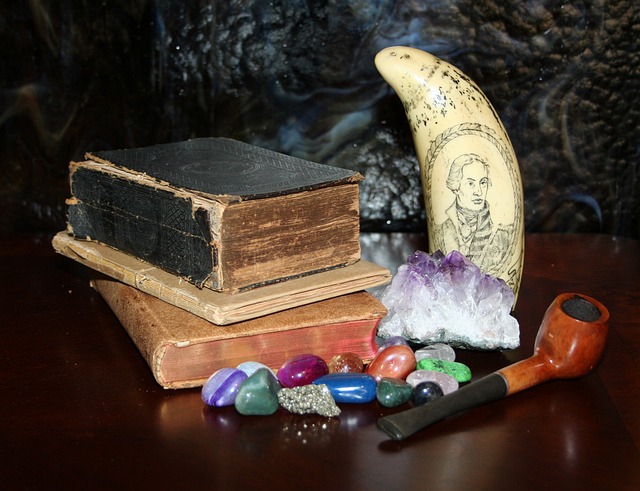
**Symbols** — colors, flowers, and gemstones — play an important role. Red and pink are commonly associated with passion and affection; roses, apples, and certain herbs are recurring motifs. In many systems, the meaning of an object is less about its intrinsic properties and more about agreed-upon symbolic resonance within a culture.
Ritual actions
Rituals often involve repetition, focused intention, and sensory cues (incense, music, or touch). These elements create a structured container that helps participants clarify desires, remember commitments, and enter a different mindset. The ritual itself can be as important socially as — or more important than — any supposed occult effect.
Words and invocations
Spoken words, songs, or prayers provide a narrative and emotional shape to the spell. Invocations may call on ancestors, saints, spirits, or symbolic forces; they serve both to articulate desire and to make the act feel solemn and meaningful.
Objects and tokens
Tokens — rings, locks of hair, written names — function as physical anchors. They create continuity between ritual and the everyday: keeping a token in a pocket or on a bedside table is a reminder of the intention set by the ritual.
Why people use love spells — motivations and needs
People turn to love spells for many reasons: to recover from heartbreak, to bless a new courtship, to formalize commitment, or to feel empowered when social routes seem blocked. At their best, such practices provide symbolic agency, catharsis, and ritualized transition — psychological benefits that are independent of any metaphysical claims.
Ethics and consent — the crucial conversation
**Ethical questions** are central when discussing love spells. A key dividing line is consent: actions intended to override another person’s will raise serious moral concerns. Many traditional practitioners distinguish between spells that *attract* general love or self-love (considered benign) and those that *compel* a specific person (considered problematic).
Respectful alternatives
Instead of attempting to force feelings, many responsible practitioners recommend rituals that focus on:
- Self-love and empowerment — increasing one’s confidence and attractiveness by changing behavior and mindset.
- Blessings — asking for a relationship’s success without specifying outcomes or infringing on another’s freedom.
- Rituals for closure — helping people let go of unhealthy attachments.
HPsychological and social effects
Rituals can change perception: if a person believes they have taken action, they may behave more confidently and spot more social opportunities — a self-fulfilling effect. Similarly, publicly shared rituals (family blessings, community matchmaking ceremonies) can alter social dynamics by signaling intent and mobilizing support.
Placebo, ritual, and relationship work
Even if one does not accept supernatural claims, ritual often functions as a form of structured intention-setting and can serve many of the same roles as counseling or commitment ceremonies: clarifying what one wants, motivating practical changes, and creating social recognition of a relationship.
Modern adaptations and pop-culture
Contemporary interest in love magic has been shaped by neo-pagan movements, the internet, and the commercialization of “folk” aesthetics. DIY spellbooks, social-media rituals, and spiritual wellness products have repackaged traditional motifs for modern consumers. While this increases visibility, it sometimes strips practices of cultural context and complexity.
Care with cultural appropriation
Because many love practices originate in marginalized cultures, borrowing them casually can be disrespectful. Ethical engagement means learning origin stories, crediting sources, and avoiding commodifying sacred practices.
Practical, non-coercive approaches related to love magic
Self-centered rituals
Practices that focus on personal growth — visualization, journaling, or simple symbol-based ceremonies — bolster emotional resilience without interfering with others’ autonomy. These are constructive because they improve the self that enters relationships.
Community-based rites
Celebrations that involve family or friends (blessings, dances, matchmaking meals) shift the emphasis from secret manipulation to collective support, which can be healthier and more effective in the long term.
Warnings and practical considerations
**Skepticism and safety.** Anyone exploring traditional love spells should also exercise critical thinking. Beware of practitioners who promise guaranteed outcomes, charge exorbitant fees, or encourage actions that violate legal or ethical boundaries. Emotional vulnerability is often exploited in these contexts.
When to seek other help
If relationship problems involve abuse, coercion, addiction, or serious mental-health issues, professional counseling, legal help, and community resources are appropriate and necessary — ritual alone is insufficient.
Conclusion — meaning beyond magic
Traditional love spells are best understood as a range of cultural tools people use to express desire, mark transition, and cope with uncertainty in relationships. Whether viewed as symbolic acts, psychological interventions, or genuine spiritual practices, their power often comes less from secret formulas than from the human needs they address: the desire to be loved, accepted, and seen.
Final thought
If you are curious about these traditions, approach them with respect, an eye for historical and cultural context, and a strong commitment to ethical boundaries — especially the free will and dignity of other people. Love that endures is built as much by honest communication, mutual care, and shared work as by any charm or blessing.

Related Posts

Candle love spells that work
Simple effective love spells