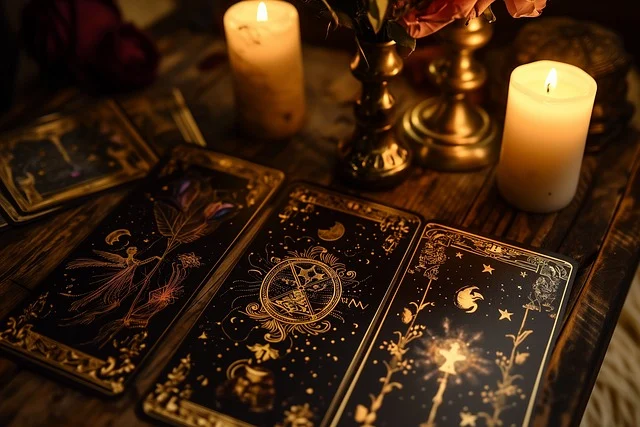
Ancient love spells that work
Ancient Love Practices That ‘Work’: History, Meaning, and Ethical Rituals
Love has driven human imagination since the first stories were told. Across cultures and millennia people turned to rites, charms, and symbolic acts to express desire, attract companionship, mend relationships, or invite self-love. In this article we look at a range of historical practices commonly called “love spells,” explain what they meant in context, and offer modern, ethical adaptations that encourage consent, self-worth, and healthy relationships.
Why people sought love rituals
In pre-modern societies uncertainty around courtship, marriage, fertility and social alliances was profound. Rituals around love often served at least three functions:
- Psychological focus: they helped an individual clarify intention and calm anxiety.
- Social signaling: rites marked commitment or eligibility in culturally legible ways.
- Meaning-making: ritual provided narrative for events beyond one’s control.
Ethics first: consent and free will
Important: Any practice described below is presented as cultural history and as symbolic ritual suitable for the practitioner’s self-transformation. Do not use ritual to coerce or manipulate another person’s will. True, lasting love depends on mutual consent, respect, and communication.
How to adapt ancient practices ethically
- Focus on self-improvement: rituals as confidence-building tools rather than control mechanisms.
- Ask for mutual attraction: frame intentions toward “drawing right-minded partners” not “making X love me.”
- Respect cultural origins: be mindful of appropriation. Study traditions respectfully and credit their cultures.
1. Greco-Roman love tokens — symbolic and social
In the ancient Mediterranean, items like engraved gemstones, lockets, and poetry acted as love tokens. Rather than “magic,” their power lay in social meaning: the token proved attention, memory, and future hope. A modern adaptation keeps that symbolism while centering consent.
Modern ritual inspired by Greco-Roman practice
What it is: choose a small object (gemstone, pendant, or a handwritten note) and charge it with an intention to become more open and available to reciprocal love. Carry it as a reminder to act kindly and follow opportunities to meet compatible people.
Steps (ethical and simple)
- Write a short affirmation: “I am open to genuine, mutual love.”
- Tie the note to the object; hold it for one minute focusing on breath and the affirmation.
- Wear or keep the object as a behavioral cue to be kind, sociable, and authentic.
2. Egyptian and Near Eastern love invocations — poetry and symbolism
In ancient Egypt and nearby regions, lovers used poems, offerings, and symbolic acts invoking gods or natural forces. These acts functioned as formalized expressions of longing and as a social mechanism for pursuing marriage or attention.
Modern adaptation — poetry and heartfelt communication
Why it works: composing a sincere letter or poem helps clarify feelings and can be shared only with consent. It creates vulnerability, which is attractive when reciprocated.
Practice
- Write a short poem expressing how you feel—focus on specifics that show you paid attention.
- Consider whether to share it—only send if you are confident the recipient will welcome it.
3. Celtic and Northern European charms — herbs, knots, and vows
Celtic lore often features knots, braids, and herbal charms; these stabilizing motifs symbolized binding and continuity. Knot-tying ceremonies historically accompanied engagements and promises.
Modern ethical knot ritual for commitment to self-love
Symbolic act: tie three simple knots in a cord—intention, action, patience—each knot marking a personal vow (e.g., to listen better, to meet new people, to heal past hurts). This ritual is about internal change rather than imposing feelings on another.
4. African and Afro-diasporic practices — community, music, and offerings
African and Afro-diasporic traditions often emphasize communal rites, music, movement, and offerings. In many lineages, love and marriage are communal affairs—families and communities participate in selection and blessing.
Ethical learning: value community and storytelling
Adaptations can include community-building: attend social gatherings, share music, or join group activities where natural connections form. Ritual here is social: expanding your social circle increases chance encounters with compatible partners.
5. Folk charms and kitchen magics — herbs, baths, and scents
Across Europe and elsewhere, kitchen magics used accessible ingredients (rose petals, honey, cinnamon) in baths or sachets. Historically these were often as much about personal grooming and scent (which matters in attraction) as about “spellcraft.”
Safe, modern self-care ritual
Example ritual: create a calming self-care bath with rose petals and a hint of honey (for skin only—do not ingest large amounts). Use the bath to visualize healthy relationships and to cultivate self-worth. The perceptible soothing of scent and warmth improves mood and confidence—both attractive qualities.
Warnings
- Do not use anything you are allergic to.
- Avoid giving others herbal concoctions or foods with the intent to influence them without consent.
How and why these “spells” can feel effective
Psychological mechanisms explain much of what we call success: rituals provide structure, reduce anxiety, clarify values, and cue us to take actions aligned with our goals (approach behaviors, social outreach, grooming, honesty). That combination leads to better chances of healthy connections.
Placebo and intention
Belief and ritual can produce placebo-like outcomes: increased confidence, calmer nerves, clearer priorities. These internal shifts change how you present yourself and how you interpret social feedback—often for the better.
Practical, ethical alternatives to “making someone love you”
- Work on communication skills. Clear, vulnerable communication is the foundation of mutual attraction.
- Improve emotional availability. Therapy, journaling, and honest reflection help you show up fully for another person.
- Increase social exposure. Join groups and activities aligned with your interests—shared context fosters real chemistry.
Final thoughts: love as mutual growth
Ancient love spells, charms, and rites retain value when we translate them into ethical, person-centered practices. **The most reliable “magic” is the work you do on yourself**—cultivating kindness, competence, confidence, and curiosity. Rituals that encourage those inner changes can feel powerful because they channel attention toward behaviors that attract healthy, consenting relationships.
A short ethical pledge you can use
“I seek connection that honors free will, kindness, and mutual growth.” Say it, write it, tie it into a token. Let that pledge guide your actions: ultimately, that is the truest spell that “works.”
Resources & further reading
Study primary sources if you are interested in historical practices, and approach living traditions respectfully. Consider books on folklore, social history of marriage, and modern relationship science to deepen your understanding.

Related Posts
Ancient egyptian love spells
What are egyptian love spells?